
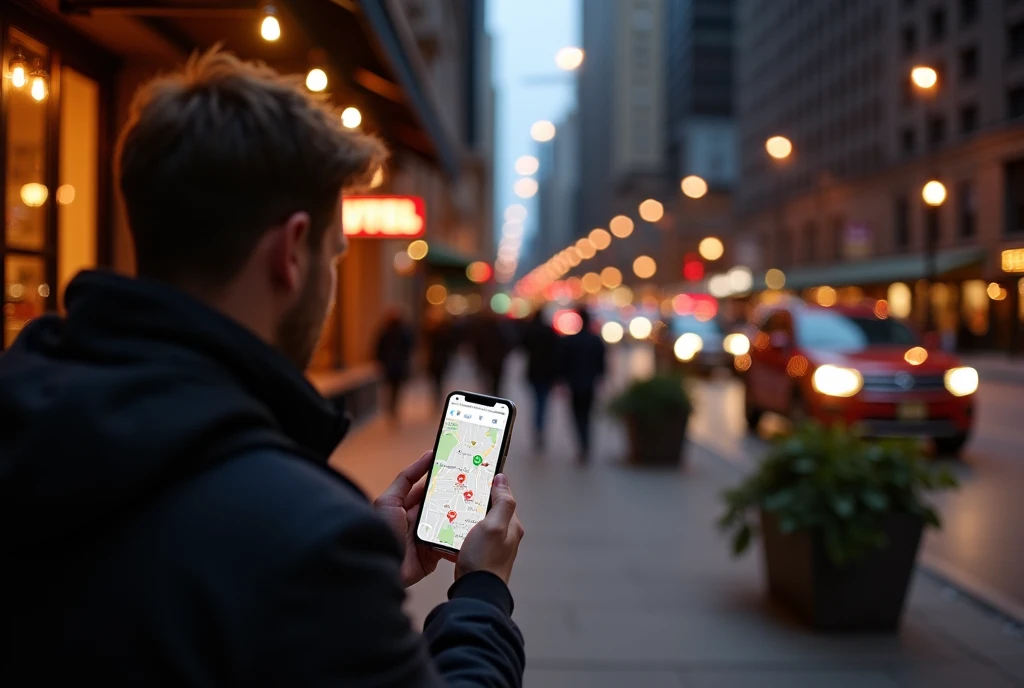
A traveler steps out of a hotel in downtown Chicago around 9 PM with no fixed plan for the evening. The phone comes out almost automatically. Within seconds, the screen fills with nearby options shaped by time, past behavior, and what is still open. The person does not scroll far. They glance, compare distance, check how busy a place looks, and move. In that same moment, searches like escort chicago appear as part of the same pattern, not as a separate intention but as another quick attempt to solve an immediate need tied to location, timing, and availability, where the decision is made fast and without digging deeper.
Behavior Data Defines What Users See First
Mobile apps do not show neutral lists. They reorder results based on past actions and real-time signals.
- Previous clicks increase the likelihood of similar options appearing again
- Time of day shifts what categories are prioritized
- Movement patterns influence which areas are highlighted
A user who visited bars the previous night will see nightlife options first the next evening. Someone who ordered food late will receive restaurant suggestions earlier in the flow. The system adapts quickly, often within one or two sessions.
Location Data Narrows Choices Instantly
Distance is one of the strongest filters in local discovery. Apps reduce options based on proximity before anything else.
- Results within a 5-minute radius appear first
- Options beyond 15 minutes are often hidden or deprioritized
- Real-time traffic conditions adjust visibility dynamically
In dense cities like Chicago, this creates micro-zones of discovery. Users rarely explore beyond their immediate surroundings once the app presents nearby options.
Speed Determines Engagement
Users expect results immediately. Delays reduce interaction.
- Most decisions happen within 20–40 seconds
- First screen captures over 70 percent of clicks
- Scrolling beyond the second screen is rare
Apps optimize for this by placing the most relevant options at the top. A slower system loses attention quickly, even if it offers better matches.
Context Changes Everything
The same user receives different recommendations depending on context.
- Evening hours prioritize active venues over highly rated ones
- Group settings shift results toward larger, accessible spaces
- Weather conditions influence indoor versus outdoor suggestions
A rainy evening pushes indoor options to the top. A busy Friday night reduces emphasis on ratings and increases focus on availability.
Supply Adjusts to Demand in Real Time
Mobile platforms constantly balance supply and demand through visibility.
- High-demand options move up if they still have capacity
- Overloaded places drop lower in rankings
- Less busy options gain exposure to distribute traffic
This keeps the system functional during peak hours. Users are guided toward places that can actually serve them, not just those with strong reputations.
Friction Reduction Increases Conversions
Every extra step reduces the chance of a completed action. Apps remove barriers wherever possible.
- One-tap navigation replaces multiple steps
- Clear indicators show availability instantly
- Minimal text reduces decision time
A user is more likely to choose an option that requires less effort, even if alternatives offer slightly better quality. Convenience drives the final choice.
 Conflict Between Personalization and Discovery
Highly personalized systems create a narrow view of options.
- Users see similar recommendations repeatedly
- New or less popular places remain hidden
- Exploration decreases over time
This creates a trade-off. The system becomes more efficient but less diverse. Users find what they expect, not necessarily what they might prefer if given more variety.
Short Feedback Loops Reinforce Patterns
Every interaction feeds back into the system almost immediately.
- Clicks increase future visibility of similar options
- Skipped results lose ranking position
- Repeated behavior strengthens prediction accuracy
Within a few interactions, the app builds a strong model of user preferences. The range of suggestions becomes more focused and predictable.
Visibility Outweighs Quality in Real-Time Decisions
In fast decision environments, placement matters more than absolute quality.
- Top-ranked options receive the majority of attention
- Lower-ranked results are rarely considered
- Visual cues influence trust and selection
A well-positioned option gains more engagement regardless of small differences in rating. The system rewards visibility because it aligns with how users behave.
What Drives Local Discovery Today
Mobile apps shape local discovery through a combination of speed, data, and context.
- Immediate relevance replaces long-term planning
- Proximity defines the decision space
- Behavior data refines future results
The process is fast and continuous. Each decision feeds the next one. Users do not search broadly anymore. They react to what is presented in front of them and move forward without pause.